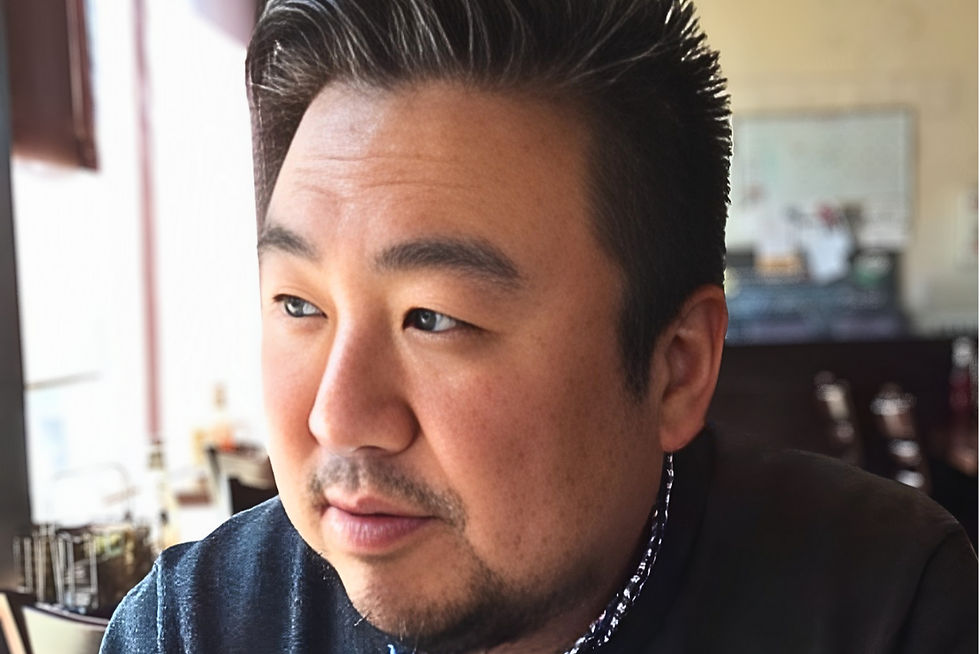
Mike Wech: Showrunner & Producer

Mike Wech has spent more than two decades building shows that have to function under real constraints. As showrunner on Fusion’s Drug Wars and Being Beautiful, and across work for ABC, CBS, MTV, VH1, and Discovery ID, his influence shows up long before a cut is approved, in prep decisions and coverage discipline that limit what post can hide. We talked about spotting problems early, shooting with restraint, and making decisions that keep a production from drifting once cameras roll.
When you’re showrunning and also handling parts of post, what’s the first thing you look for in a rough cut that tells you the production held its shape?
I’ll know a production is taking its shape when I’m on set. If I’m waiting for a rough cut hoping we got it, then I didn’t do my job. The rough cut is just affirmation that everything we prepped and shot is working as intended. With scripted content, it’s a bit easier and we’re just following our workflow and seeing the result of it. With unscripted and documentary footage, there’s more leeway for creativity and rescripting in post, which is when I’m looking to see if we hit all the intended beats of the story and whether the narrative is cohesive.
Once that’s established, I look at the character’s journey. Are we rooting for or against them? How is the emotion and arc working? I’m looking at two things: the relationships between characters that drive emotion and tension, and the audience’s relationship to the characters. We need to move the audience to feel for our characters. The rough cut has to be taking them on the journey.
You’ve worked in branded, doc, scripted, and true crime. What adjustment do you make early in a shoot that saves the most pain later in post?
Each one of these is a completely different animal. With branded content, the adjustments that save you in post come from client feedback. By the time you get to set, everything should be locked in, but when things shift, communicating options up front allows the client to guide decisions.
With scripted work, adjustments are usually scheduling or technical. We go in fully prepped, with a backup plan each day. Once shooting starts, you see the rhythm of the crew and what they’re capable of. I’m looking ahead at the schedule, asking whether we’ll get everything we need at this pace and what obstacles could get in the way. The solution remains the same. Communication. Proper, honest communication saves pain later.
Documentary is tougher because you don’t control the content. The adjustment is being flexible enough to let the story evolve while keeping focus on the big picture and main arc. The next adjustment is restraint. Shooting intentionally and shooting for the edit keeps you from getting buried in footage.
True crime is the craziest beast to manage. Going out with law enforcement, there’s no rehearsal and no take two, so adjustments happen on the fly. Crews are trained to think like editors and producers, sent out in teams of two, and supported by on-set editors so we can see what we captured and adjust as the story develops. It’s about communicating with everyone involved so you can see the big picture and make intentional adjustments that force cohesion and efficiency on set.
You’ve mastered a lot of seats. Editing, directing, writing, supervising. Which role gives you the clearest signal that something in the pipeline is about to slip, and what do you do the moment you see it?
Supervising gives you the 1,000-foot view of the project. As a producer or EP, you have the power to make decisions that affect the pipeline. In roles like writing, directing, or editing, you’re identifying issues and explaining why they matter, then relying on the people in power to act.
Each role is focused on its specific task, not the entire production. An editor on set can see problems in the footage that no one else will catch. If I’m editing on set, I communicate those issues immediately to the director and producer, show them privately, and estimate the time and cost it will take to fix them in post. That could be unsynced timecodes, mismatched frame rates, audio, continuity, or other technical issues. These aren’t things about to slip. They’re things already slipping that no one has the time or access to see.
Preventing that is a team effort built on trust and communication. I try to create an environment where people feel responsible for the whole, so issues surface early and the focus stays on solutions instead of blame.
When you’re building a series with teams spread across cities, what’s one decision you make in prep that keeps everyone aligned once footage starts coming in?
There’s never one decision. Everything is a series of decisions and actions that lead to a result. If I had to name one, it would be communication. Communication is a process more than a decision. When a production is spread across cities, you have to prepare thoroughly and make sure everyone understands the production, the story, and their role in it. Alignment happens in prep.
You need the time to properly prepare everyone to fulfill their part. When that time isn’t there, you hire the right people, people with the talent and experience you can trust to execute without needing to be brought up to speed.
Think about a moment where a scene wasn’t working until you made one small change in post. What tipped you off, and what did that change unlock?
There are thousands of times where I’m editing to clean up a scene that didn’t get proper coverage, where problems happened on set, or the acting was bad. When something isn’t working, there’s nothing that tips you off. Everybody knows it. You feel it.
The change is a mindset shift I learned from editor Corky Ehlers, who told me, “Never get married to your edits.” You never make one edit that changes a scene from crap to gold. It’s a series of small decisions. Editing is dominoes. One change creates a chain reaction, and by not becoming married to what you did before, you unlock the ability to look at it from a different perspective and find the way this Rubik’s cube of shots needs to be put together.
When Mike evaluates a production, the work happens before post ever has a chance to intervene. He looks for preparation that holds, coverage that knows its purpose, and characters the audience can connect to without being told how to feel. Those early decisions decide whether a project holds together under pressure or unravels later trying to fix what should have been set from the start.
Learn more about Mike at:
• Website
• IMDb