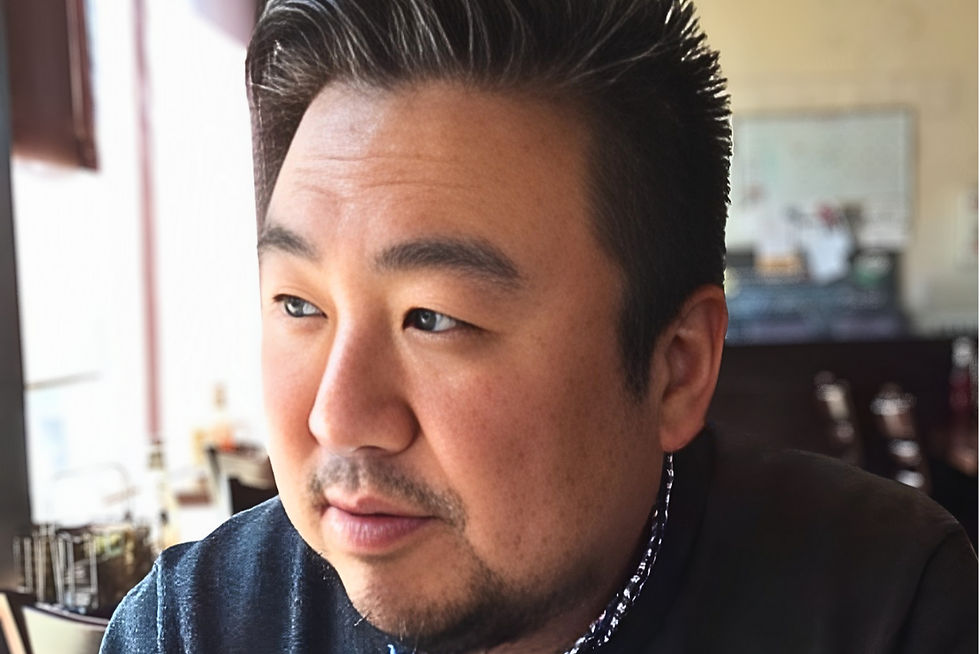
Bulent Gurcan: Filmmaker & Survival Consultant
Updated: Mar 6

Bulent Gurcan spent years as a federal agent, war veteran, and pilot before turning to filmmaking and on-camera survival work. That mix shapes how he builds a story. He starts with budget and timing, then the structure that can hold without collapsing, the goals that drive a character forward, and the pressure that tests every decision. We talked about timing, subtext, the small adjustments that redirect a scene, and why every choice matters when you’re working in conditions that don’t forgive mistakes.
When you’re shaping a nonfiction story, what’s the first decision you make that determines the spine before any scene is shot?
This is a multi-level answer. As a writer and director there are several questions we have to settle early.
I start with the budget. Anybody can shoot a 100MM film. Not everybody can find the 100MM to shoot it. We have to be realistic. If you can’t secure the financing, no matter how great the project is, it’s not going to be made.
Secondly, is this a good story and, more importantly, is the timing right for it. World War Z, with director Marc Forster, is about a virus that will destroy humanity. Great premise, perfect timing pre-Covid. After Covid, nobody wants to see a film about an epidemic for a long time. Timing is very important.
After that, number of locations, number of characters, and the structure of the script. Are we Saving the Cat or trying something different like Pulp Fiction and risking total disaster. Let’s face it. We are not Quentin Tarantino.
Script is the blueprint of a film. We all know what happens if there’s even a minuscule error. You end up with the Tower of Pizza, and filmmakers after you will use your film in schools as an example of what not to do.
You work with real people and real stakes. What tells you a moment is strong enough to anchor into the narrative?
In any film you have a protagonist with one clear goal. In Die Hard, John McClane wants to save his marriage and get the woman he loves back. Everything evolves around that goal. The antagonist is the person, people, or events trying to stop him.
Our job as writers is to create characters, events, and outcomes that keep that struggle alive. When we hit a wall, and we all do, we have to dig deep to find something that lets the protagonist continue the journey. When that light bulb comes on, it’s so clear you never second-guess it.
Every now and then an idea isn’t fully formed. I have a great partner, Tonia Kempler. We bounce ideas back and forth all day to get the perfect fit, and when we can’t find it, we ask for help. We’re not precious about that.
In long-form nonfiction, tone comes from structure. What’s a structural choice you return to when you need the audience to feel grounded?
We pick our characters from everyday life. We’ve all worked with a bully and know how that person made us feel. We’ve all been around good people who make you smile without a word. Morgan Freeman does that for me every time. Characters have to be relatable.
I always write three main characters: one to chase, one to hate, one to love. These characters, with all their flaws, help the audience live the moments they live. What they say is important, but what they don’t say matters even more. Subtext is the bread and butter of all characters.
When you’re directing nonfiction talent, what’s something you adjust quietly that changes how the story reads later?
Film is complex. My partner Tonia always says, “It takes a village to make a film.” The writer has one vision, the director has another, and the actor has a completely different understanding of the same character. Directors are problem solvers. When those visions don’t line up with the result you need, you make small changes.
If the dialogue says “I love you” but the scene calls for anger or resentment, I tell the actor what the scene is really about, what emotion we need, and maybe give a clue on how to deliver it. When I do give a hint, I use action words, like “punish him” or “touch his heart.” It’s all communication and honesty. Most of the time the actor is fully capable but can’t read the director’s mind, so we talk openly, without pointing fingers.
Looking at your finished work, what’s one decision you made early that the audience will never notice but that held the whole project together?
I don’t think there’s one decision that does that. I strongly believe every decision can make or break the project. It’s like building a house with your script. If you pick the wrong bricks, it won’t come out well. If you cheap out on the cement, it will crumble. If you forget the roofing, you’re going to get wet. Every decision counts. Every single choice matters.
This is why my partner and I believe in teamwork. One hand can lift a brick, two hands can lay the brick, fifty hands can build the house with ease as long as they’re on the same page. It takes a village to make a film, and everyone in that village has to get along for the greater good of the project. That’s how good films are made.
When Bulent talks about filmmaking, he’s talking about timing, pressure, and the choices that hold a story upright. For him, the invisible work is the discipline behind every decision, the part that keeps the whole structure from collapsing.
Learn more about Bulent at:
• IMDb