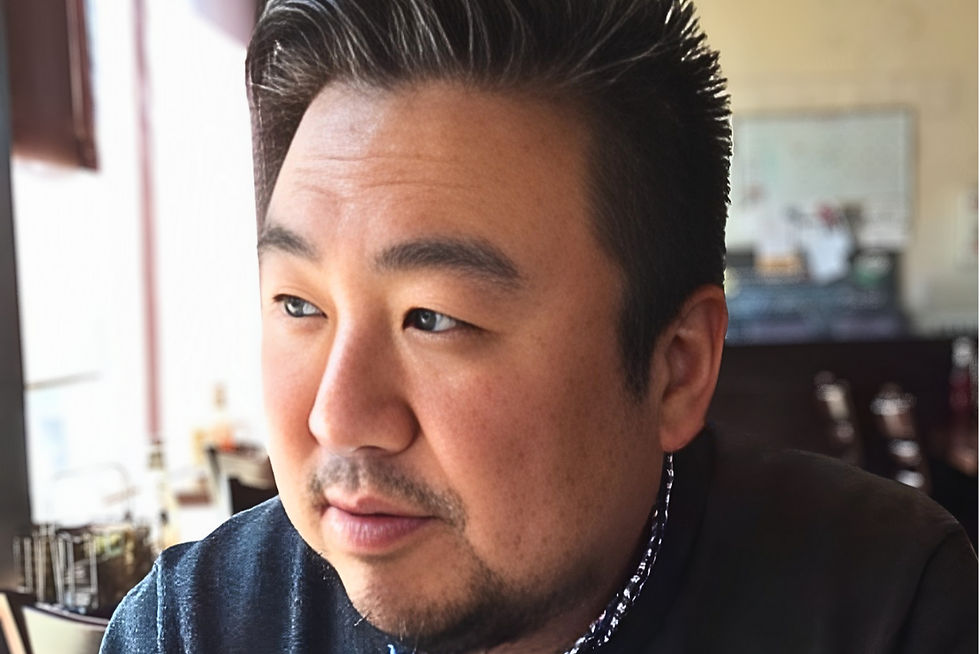
Melissa Watkins Trueblood: Live Event & Awards Producer

Melissa Watkins Trueblood works in the pressure zone where live television can’t afford a mistake, from The Voice to the Golden Globes to The Roast of Tom Brady. Her judgment is the difference between a night that stays on rhythm and one that veers off schedule. She builds the conditions the show will rely on long before anyone goes live. We talked about the signals she watches, the timing math underneath a broadcast, and the invisible discipline that keeps a live event from slipping.
When you’re booking A-list talent for a live show, what’s the cue you look for that tells you a guest is actually committed, not just being pleasant in early talks?
Most of the people I work with are pros and not interested in wasting anyone’s time. There are occasions when conversations drag on, but that’s usually just waiting for schedules to settle.
Shows like the Golden Globes or the Brady Roast live or die on timing. What’s a decision you make early in the process that ends up shaping the entire night’s rhythm?
All shows build in accordions that can be shortened or cut if we’re running long. A lot of clip packages have multiple lengths so we can move to a shorter version if needed. If we have to, we’ll also cut the presenter’s dialogue so there’s no preamble. Just straight to announcing nominees and the winner.
For the Roast, it wasn’t built as a three hour event, but once you put a bunch of comedians onstage their minds don’t stop. There were unexpected moments, like Robert Kraft coming up, that added excitement because no one knew what would happen. We were lucky to have Netflix as a partner. They let the show evolve and didn’t force it back to the two hours they’d anticipated.
Talent reps all have different negotiation styles. What’s the pattern you listen for that tells you a deal is about to get difficult, and what do you adjust first?
Pick up the phone! So much is done on email now, but a direct conversation tells you where the concerns actually are. A friendly call can go a long way.
Styles vary, so there isn’t a universal pattern, but a shift from whatever the established rhythm has been is usually the signal. I have good instincts and can read people well. That’s essential in these roles. But in general, when reps stop responding, that’s worrisome.
Live events always hit a point where something breaks behind the curtain and the audience never knows. What’s the kind of off-camera problem you’re constantly scanning for before it happens?
Talent showing up is always the top priority! We have drivers’ and reps’ cells and track everyone in real time to be sure they’re on site or that we have time to pivot if not. Most problems aren’t predictable. You stay calm and have a strong team that works together. Blame is a waste of time. Everyone needs to rally and solve the problem. Only the best survive live television. You have to be nimble and a problem solver.
You’ve worked across award shows, music, comedy, and reality. When you shift genres, what’s the first rule you check so the show doesn’t implode later? Information is power. That’s true in every genre. I won’t spring surprises on any talent who’s agreed to participate. My rule is transparency. These are people with free will, not commodities. Production has a responsibility to make sure talent is respected and has a great experience. And when things go sideways, which is rare but possible, be accountable and make it right.
When Melissa talks about live television, she isn’t talking about spectacle. She’s talking about the groundwork that decides whether the night holds together at all. For her, the invisible work is the part that keeps the room steady while everything around it is moving.
Learn more about Melissa at:
• IMDb