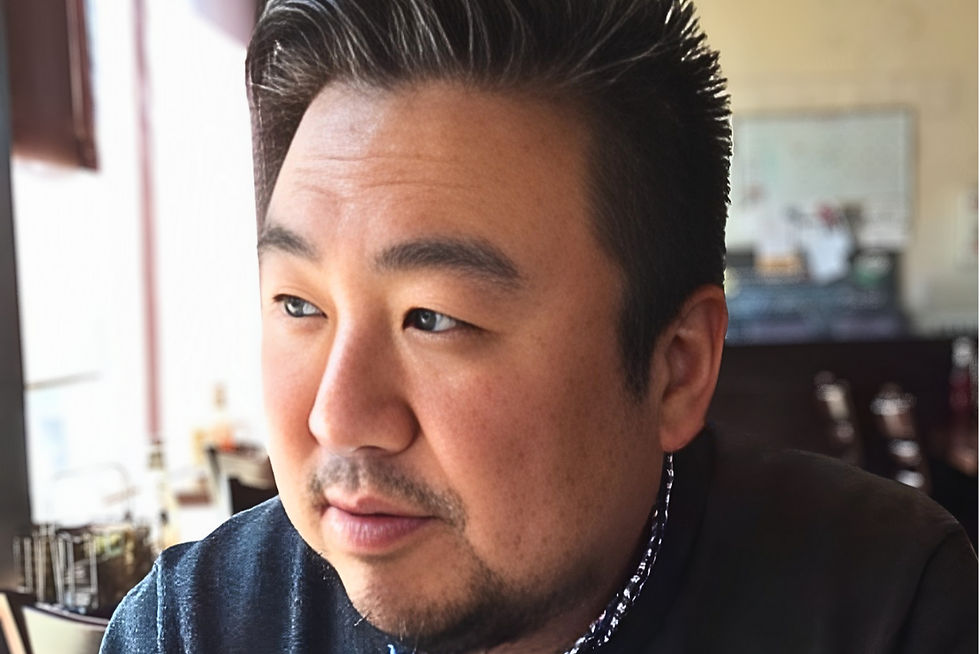
Chris LeClere: Segment Producer, NBC News Now
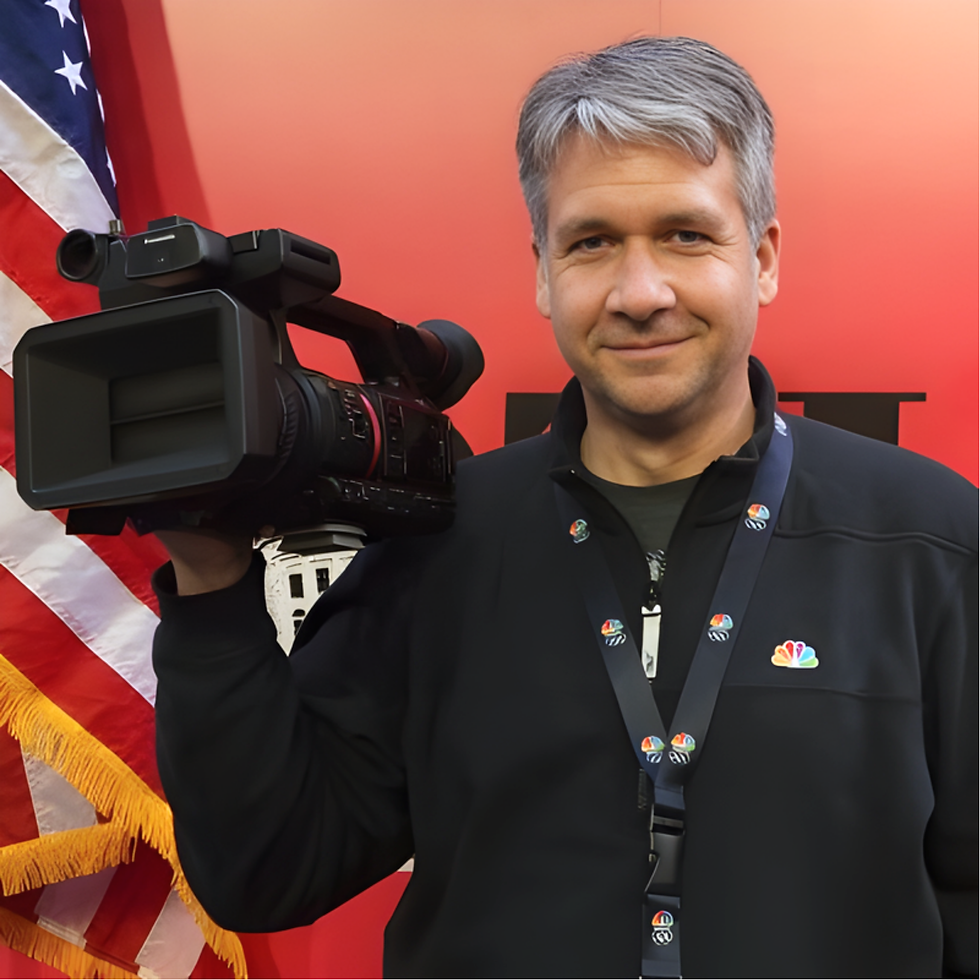
Chris LeClere has spent years shaping stories on both sides of the lens. NBC News Now, PBS and NPR affiliates, ethnographic film work screened across the UK, and exhibitions that landed in the Rock and Roll Hall of Fame. He moves between journalism, anthropology, and festivals with the same instinct. He pays attention to what people reveal without meaning to. Most of what he does never shows up on screen, but it decides how the story reads once it does. We talked about silence, framing, and the choices that steer a moment before anyone notices.
When you walk into a space, what’s the first invisible rule you look for before you start filming or interviewing?
I try to gauge the person’s comfort level and mirror their energy. Is this their first time on camera? Are they shy or nervous? I’ll lower my voice and tighten my kinesphere. If they’re outgoing or used to this, I’ll raise my energy to meet theirs. I’m also looking for any point of connection, regardless of their energy level.
In your Northern Ireland research, what silence or gap told you more than anything people said out loud?
For my PhD I researched social spaces. Specifically pubs and coffeehouses. The lack of identity markers in coffeehouses, compared to the abundance of flags and historical (often politically charged) photos and posters in pubs, marked the coffeehouse as “neutral”. It was meant to be free from the political struggles of the past. That wasn’t always true, and you had to watch what wasn’t being displayed. For example, I noted which places didn’t show a rainbow flag during Pride month or green decor for St. Patrick’s Day. That told you far more about a place than what they did put on the walls.
Moving between news, anthropology, and festivals, what pressure or constraint usually ends up deciding how a story gets framed?
I have to be very careful to refrain from politically editorializing my discussions. This is especially true at academic conferences and film festivals. When I serve as a discussant or juror on a film with politically intense subject matter, I have to watch how I ask and respond to comments. I was recently at a festival leading a talk with a filmmaker on a documentary about Israel, and I was very specific in my word choice. You could read into what I didn’t ask or answer as a way of setting the frame. When comments or questions get too intense or inflammatory, I usually refrain from engaging. This rule holds regardless of political viewpoint.
In your NBC work, what do you leave out on purpose because including it would distort the truth?
Many people think journalism is “tell both sides equally”. That’s not the case. If one side is completely making things up, including it would make the story untruthful, even if you point out they’re wrong. For example, if one person says the sky is green and another says it’s yellow, my job is to look at the sky and report back. In my classes I spend a lot of time on the difference between fact and truth. Something can be factually accurate but not truthful.
Across your fieldwork and production work, what recurring pattern stays overlooked even though it’s sitting in plain sight?
I think on the interviewer’s part it’s the absence of listening. I rarely come in with prepared questions written out like a script because it can trap you into stating your questions instead of having a conversation. When you ask from a list looking for your answers, you miss what’s really being said... or not said. That absence of listening does a real disservice to the reader or viewer.
When Chris talks about story, he isn’t talking about scripts or shots. He’s talking about the cues people give off without realizing it and the decisions you make around what to leave out. For him, the invisible work is the part that keeps the frame honest.
Learn more about Chris at:
• Website