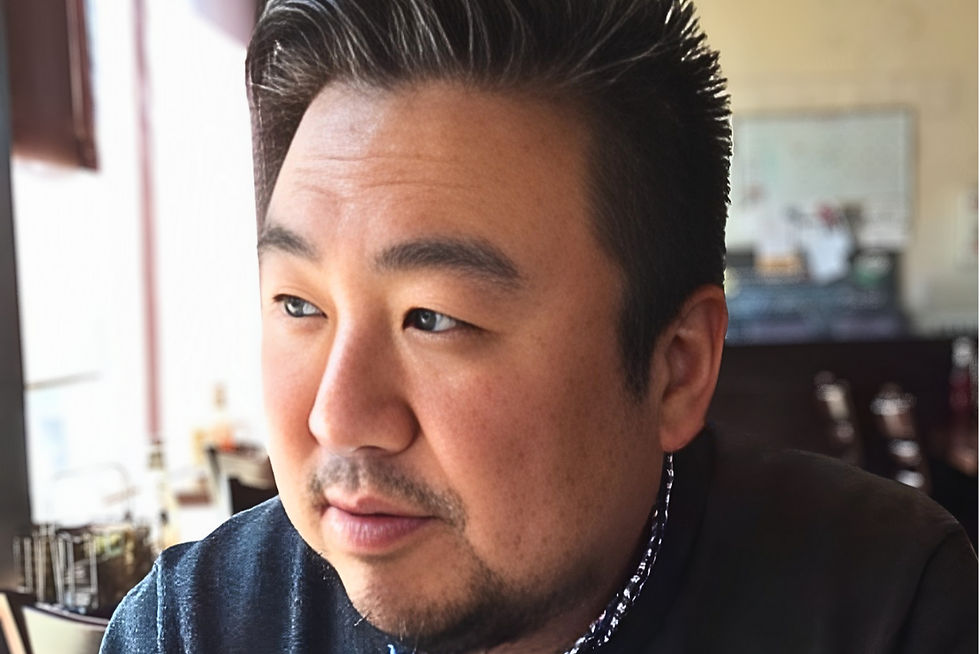
Mark Sweet: Warm-Up Comedian
Updated: Mar 9
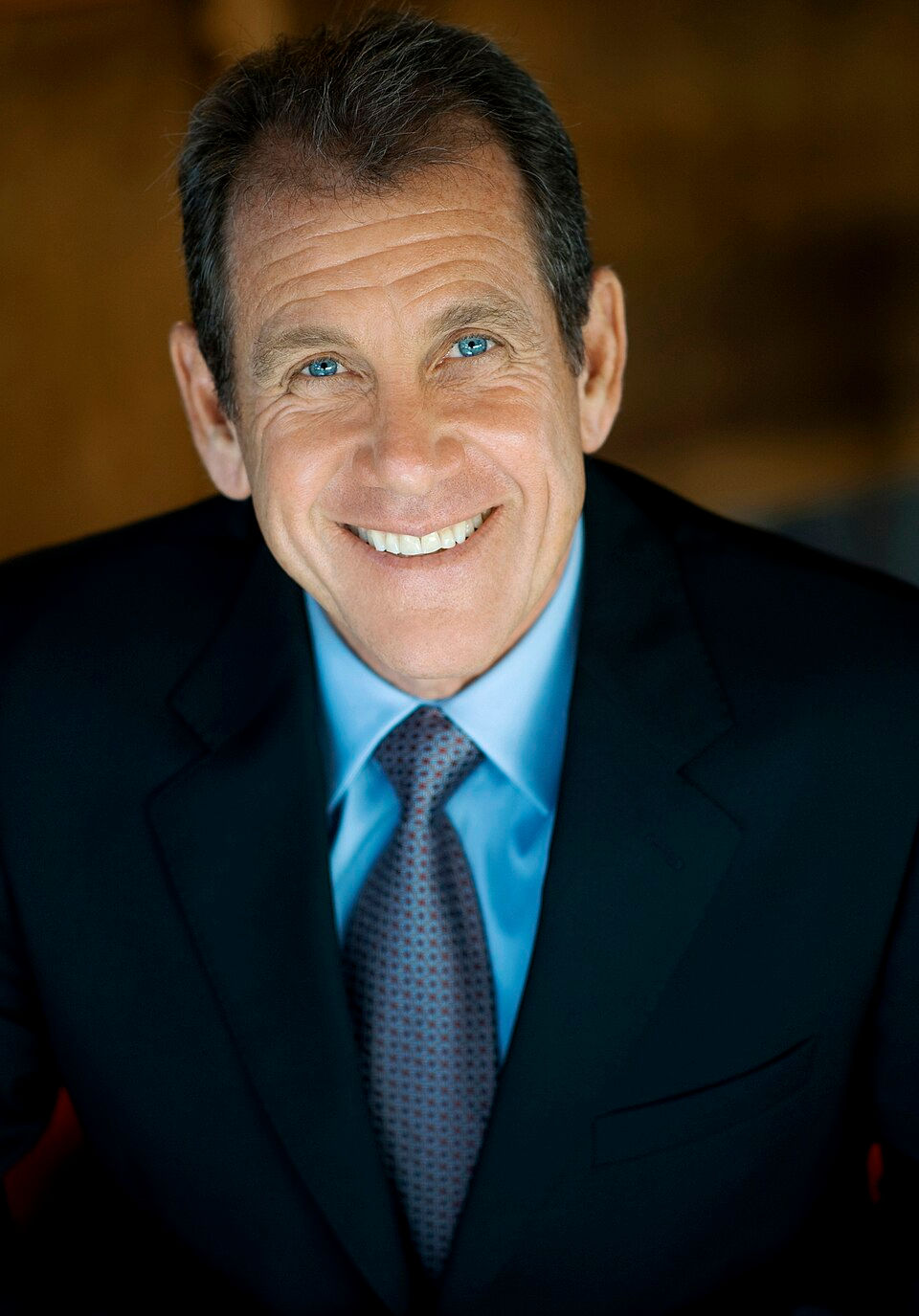
Mark Sweet has been warming up live studio audiences for nearly 40 years, across more than 4,000 episodes of television, from Cheers and Roseanne to The Big Bang Theory, Two and a Half Men, and the current season of Georgie & Mandy's First Marriage. He didn't just fill the role, he redefined what it could be, building an entirely original discipline from decades of crowd work: 25 years at auto shows, 80 days a year touring as Willy Wonka for the Willy Wonka Candy Company, and a childhood spent doing magic at birthday parties. We talked about how to hold a room for hours, what keeps an audience alive between takes, and the instinct that carries everyone through when everything else goes wrong.
When you step in front of a live studio audience, what do you look for in the first two minutes that tells you how the night is going to go?
The first two minutes are very revealing. If the audience is laughing right from the start, I can take a deep breath. Getting that first laugh sets the tone and the pace. At a sitcom, they have to understand it's not a movie set where you have to be quiet. The audience is like another actor in the production. They are invaluable. That's why they're there.
How do you pace a night so the audience peaks at the right scenes instead of burning out early?
Keeping an audience from burning out is about balance and execution on the night. A given taping can run anywhere from two and a half to six hours. Fortunately I work with very seasoned producers who understand that pace is everything in comedy. They'll pre-shoot certain scenes that don't need to be live — car scenes, special effects — and roll them into the show to give us breathing room.
There are hundreds of invisible tricks I use to motivate and hold an audience, built from 60 years of performing. It involves pacing and a deep understanding of their energy. It's about getting their attention and most importantly holding it for hours. When controlled properly, it builds a tension that helps create the right laughter for the material.
What’s something you do before the cameras roll that the audience at home would never guess shapes the episode?
Thirty minutes before showtime, I walk through the bleachers and welcome people as they're being seated. It helps me read the room — how many groups, where they're from, what questions they have. By the time I officially start, it already feels like I've been on for ten minutes. They feel comfortable, safer, and understand they're there to laugh.
I also read the script beforehand and take notes so I know how to set up each scene. I speak to the first AD about costume changes and where the longer breaks will fall. I watch the run-through hours before and take more notes. Preparation is everything.
What’s the worst taping night you’ve ever had, and what turned it around?
In 40 years and over 4,000 shows, things happen.
On Everybody Loves Raymond, Ray Romano actually cut his finger cutting cheese in a scene. He was rushed to the hospital and back an hour and a half later. I filled the time with comedy, magic, hypnosis, bits, and the help of an actor or writer saying hello. It went great.
At a show at Paramount Studios, a huge swing set fell and sounded like an earthquake. Nobody knew what it was. Through experience and instinct I kept the audience cool, calm, and happy. The following week the studio was so thrilled with how I handled it they gave me a very generous gift card.
After 9/11 and again after COVID, it was unclear what mood the audience would be in because the world had shifted. Both times they were beyond good. They come to laugh, escape, and forget their worries.
Then there was the night on Two and a Half Men when the camera tap broke down, the system that transmits what's being filmed to the monitors so the audience can follow along. When that goes, there's no point having an audience. For two straight hours, it was jokes, crowd work, magic, and more jokes. By the time the tap was fixed, the audience was so alive that starting the show again almost felt like bringing them down.
You’ve worked on sitcoms from Cheers to the current season of Georgie & Mandy’s First Marriage. What feels different about a live audience now compared to those earlier shows, and what hasn’t changed at all?
So much has changed since my first warm-up at It's Garry Shandling's Show. Since then I've done Coach for nine years, Everybody Loves Raymond for nine, Dharma & Greg for five, Two and a Half Men for twelve, The Big Bang Theory for twelve, and Mike & Molly for five. I'm currently working on Georgie & Mandy's First Marriage and Happy's Place.
As for what's changed, audiences get a snack now, there's a DJ, pre-shot scenes get played back during the taping, and there's a room for network people to watch on their own monitors.
What hasn't changed is people's love for watching a live filmed television show — the close proximity to the actors, watching the process unfold in real time. Who doesn't love the entertainment business?
When Mark talks about an audience, he's talking about reading the room, mapping the breaks, and building tension in the spaces between scenes. The audience doesn't see the preparation, the invisible tricks, or the years of instinct behind every moment they spend laughing. They just feel the show come alive.
Learn more about Mark at:
• Website