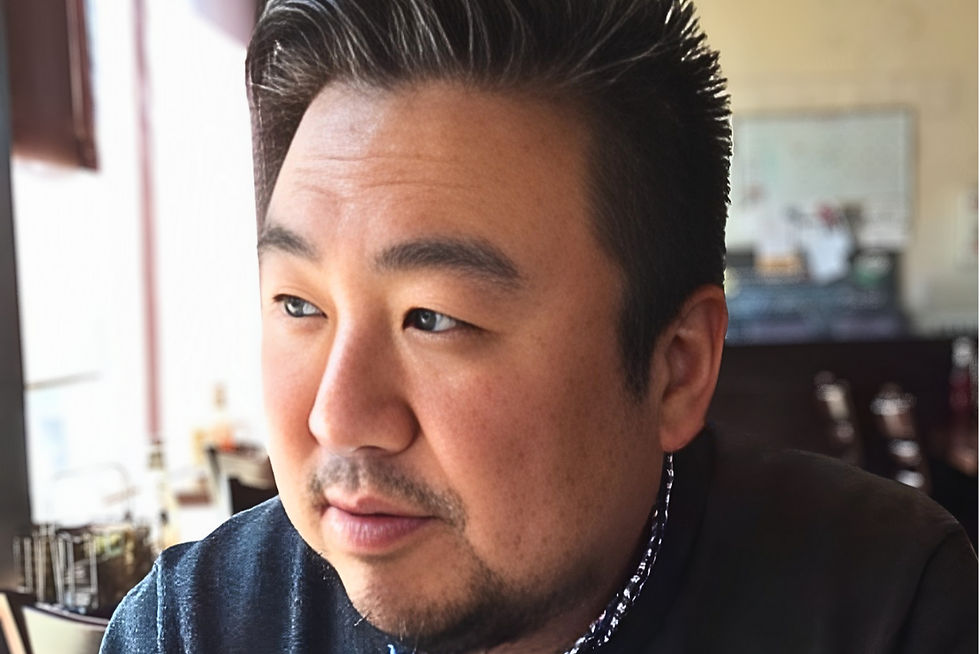
Scott McCarthy: VP, Global Brand Protection, DreamWorks Animation

Scott McCarthy has spent two decades inside the machinery that decides how a studio’s voice survives outside its home market. As Vice President of Global Brand Protection at DreamWorks Animation, he oversees localization strategy for 100+ films and series across 30+ language markets, shaping casting, translation approvals, and the cultural choices that decide whether a character’s tone holds in another language. We talked about why dubbing lives or dies on trust, how jokes mutate across borders, and the quiet questions that save a film before it ships worldwide.
When a film moves toward international release, what part of the story is hardest to adapt once it’s already in place?
The real work sits with the translators, voice artists, dubbing directors, and mixers — all the local artists in each market. They take something already built and make it live and breathe for a new audience.
The most critical decision is choosing those partners. Selecting a dubbing studio means choosing a team that understands not just the words, but the intent and history behind them. In some territories, we have crews who have worked with us for decades and carry institutional memory of character, tone, and comedic rhythm that becomes essential once the domestic version is complete.
When we select a studio, we’re asking a local team to represent DreamWorks in their market. From a brand perspective, that may be the most important thing I can ask of a partner. Those relationships are built on shared history and trust.
In dubbing and localization, what kinds of creative choices tend to break when moved across languages or cultures?
Creative choices are most vulnerable when they’re written very specifically for a domestic audience. But finding solutions is also the fun part of dubbing.
A franchise like Shrek is filled with moments like that — places like Far Far Away, brands like Farbucks, or something as simple as Donkey saying, “In the morning, I’m making waffles.” In many parts of the world, waffles aren’t a familiar breakfast, so the joke doesn’t land the same way. In Latin America, that line became “tamales.” The laugh survives, but the reference changes.
Accent is another one. A voice that signals “villain” to an American audience might communicate something entirely different somewhere else. That can mean rethinking performance choices or even aspects of a character’s backstory.
The more we can talk with the original creative team about intention and meaning, the better equipped our local studios are to create a version that honors the original while still feeling native to their audience. That tension is a balancing act, and it’s the part of the job I love most.
On projects with cultural or linguistic stakes, what’s the first sign that something isn’t going to translate cleanly?
The first sign something may not translate cleanly is when a local artist raises a question. It might be a translator asking whether a joke is meant to feel serious or sarcastic, or a director asking what an emotional beat is supposed to communicate. That moment isn’t misunderstanding or criticism. It’s responsibility showing up.
We work to create an environment where our partners have real agency to ask for context, because those questions are usually protecting the film. Localization lives in the tension between what was created and how it will be received somewhere else.
When more clarity is needed, we remove barriers quickly, sometimes connecting our studios directly with the filmmakers. My role is to make sure the right people can talk to each other so the creative intent survives.
From a global brand protection standpoint, what is most often misunderstood about how audiences in different regions read tone or intent?
Filmmakers have often assumed that if they write a line or a joke, there’s one correct way to translate it, and that once translated, it will carry the same meaning everywhere. The reality is that if you ask a hundred adaptors to tackle the same moment, you might get a hundred different interpretations.
From a brand protection standpoint, the gap between intention and reception is where the real risk lives. Our responsibility isn’t to translate dialogue in a one-for-one fashion; it’s to make sure audiences experience the story in the spirit in which it was created.
That only happens through collaboration between domestic and international teams. The worst thing you can do in dubbing is operate in isolation.
Looking across the films you’ve worked on, what surprised you most about how one market reacted compared to another?
I came into dubbing with a lot to learn about localization. My first ten years at DreamWorks were in marketing and branding, and the last ten have been focused on dubbing. It wasn’t a traditional path into this part of the business. That perspective allowed me to apply brand-protection thinking to localization. But I also carried many of the same misconceptions about what it really takes to adapt a story with respect for language and culture.
Moments we expect to be universal sometimes land very differently, while smaller, quieter beats can become the ones audiences embrace most deeply in another market. Those experiences reinforce why listening to our local partners is critical.
International audiences aren’t extensions of the domestic audience; they are the audience. When we do our job right, people in any country should feel like the film or show was made just for them.
When Scott looks at a film headed toward global release, his focus stays on intent, tone, and the partners trusted to carry both across languages. He pays attention to the early questions, the institutional memory inside long-standing teams, and the systems that protect a character’s voice in every market. Most audiences never see those choices. They only feel whether the story belongs to them.
Learn more about Scott at:
• IMDb